
Design Ann Criqui
The Must-Have Tools for UX Designers
Get to know the latest UX Designers Must-Have Tools here with mentors, Ann Criqui and Joy Liu!
Ann CriquiWhat to steal from 11 standout design portfolios, and the habits that make them work.
Some of the strongest design portfolios online in 2026 are Bruno Simon's playable 3D world, Ben Mingo's click-and-drag canvas, Robin Noguier's motion-led case studies, Adham Dannaway's designer/coder split hero, and Lotta Nieminen's structured two-column grid. Each one pairs a memorable first impression with real work underneath. Below are 11 portfolios, each re-checked as live in October 2026, with the one thing to steal from each. Most share four habits: tight curation, at least one case study, a platform that stays out of the way, and an unmistakable personal style.
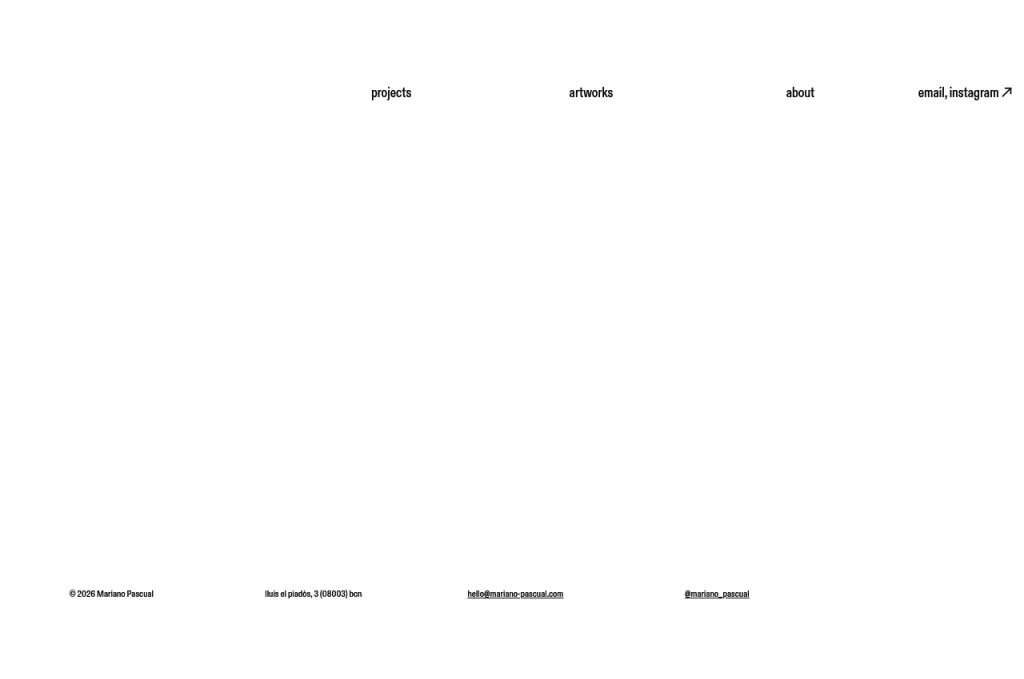
Mariano Pascual's portfolio is now a minimal, mostly white art site. The Barcelona-based artist keeps the menu to projects, artworks and about, and lets the project list do the talking: window displays for Hermès Hong Kong, objects for Hermès, and a solo show, Assembly Required, at E03 Gallery in Beijing.
Each project is listed with its venue or client and year, so a visitor can take in the range of his art and installation work in a few seconds.
Steal this: when your work changes, let your portfolio change with it. A plain, well-labelled project list can say more than a clever interface.
Robin Noguier is an interactive designer whose portfolio has become a reference point for motion on the web. A horizontal project gallery, fluid page transitions, and carefully choreographed scroll effects pull you from the homepage into a full case study in a single click.
Crucially, the polish never gets in the way — every project still leads with the problem, the process, and the shipped result.
Steal this: make the distance between "first impression" and "full case study" one click. Motion should carry visitors toward your work, not distract from it.
Adham Dannaway's portfolio opens with one of the most copied heroes in design: his face split down the middle — "designer" on one side, "coder" on the other. In two seconds you know exactly what he does and what makes him different.
Below the fold it's all substance: product design case studies with clear problems, process, and outcomes.
Steal this: your hero section should answer "what do you do and why you?" instantly. If you have a hybrid skill set, lead with it — it's a differentiator, not a footnote.
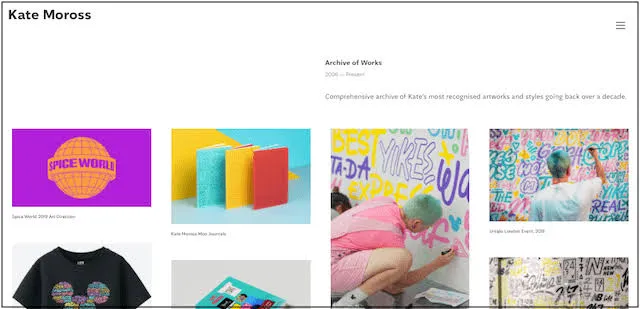
Kate Moross's distinctive style is recognisable the moment the page loads. Her work now lives under Studio Moross, the multidisciplinary studio she founded — and the site uses space efficiently, letting bold typography and illustration do the talking.
Straightforward navigation lets visitors jump straight to the kind of work they're hiring for, from editorial design to hand-drawn type.
Steal this: consistency is a superpower. If someone can identify your work without seeing your name, your portfolio is doing its job — and simple filtering by discipline helps busy reviewers self-serve.
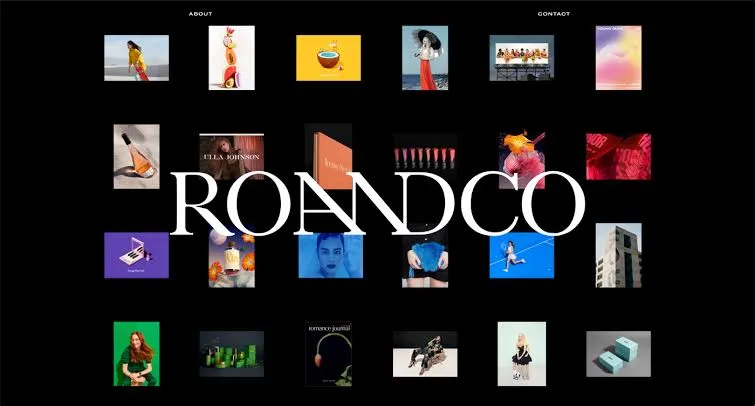
RoAndCo, the creative studio led by Roanne Adams, presents its work in a glossy, editorial format that mirrors the brands it designs for. Visitors can browse split-screen photography, watch animated presentations, or sit back for a full video.
Steal this: offer more than one way to consume your work. Some reviewers skim stills, others want the film — serving both keeps everyone engaged.
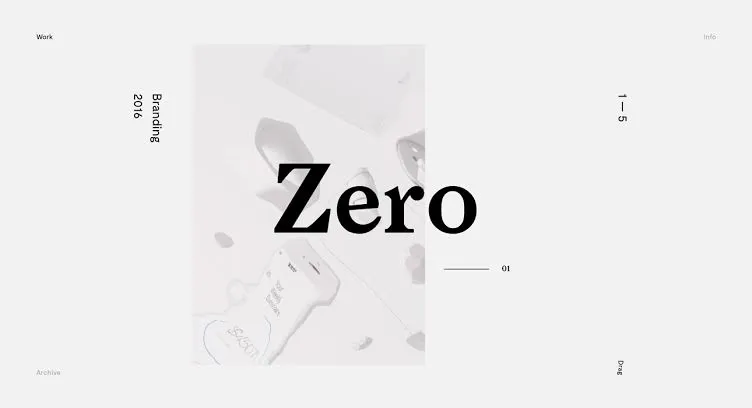
Ben Mingo — a designer and partner at Mouthwash Studio — takes an unusual approach to navigation: instead of the mouse wheel, you click and drag to explore his catalogued graphic and digital work.
It's a genuinely clever move that translates beautifully to touch screens, and the whole site is layered with smooth animations and transitions.
Steal this: an unconventional interaction can be the portfolio piece. Just make sure it stays intuitive — novelty that confuses visitors costs you the job.
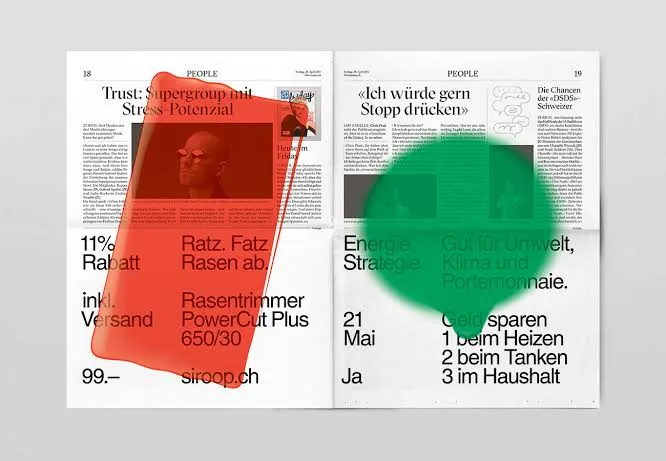
With a mix-and-match layout that happily shuns the "less-is-more" philosophy, Studio Feixen expertly displays its bright, maximalist work. Projects are framed in tiles of wildly different sizes — yet the site still reads as disciplined and professional.
Steal this: your grid doesn't have to be uniform. Varying tile scale creates rhythm and hierarchy — as long as the underlying structure stays consistent.
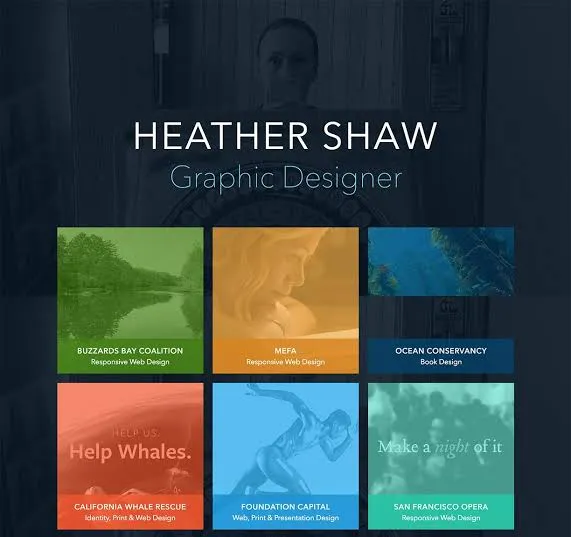
Designers who work across many mediums but want one cohesive portfolio should study Heather Shaw. Her independent graphic design portfolio spans identity, print, book, and web work — a real range of skills and client problems — while staying visually coherent and easy to navigate.
She also uses text well, giving each project just enough context to invite you deeper into the work.
Steal this: write a short caption for every project — what it was, for whom, and what you solved. Two sentences of context multiplies the value of every image.
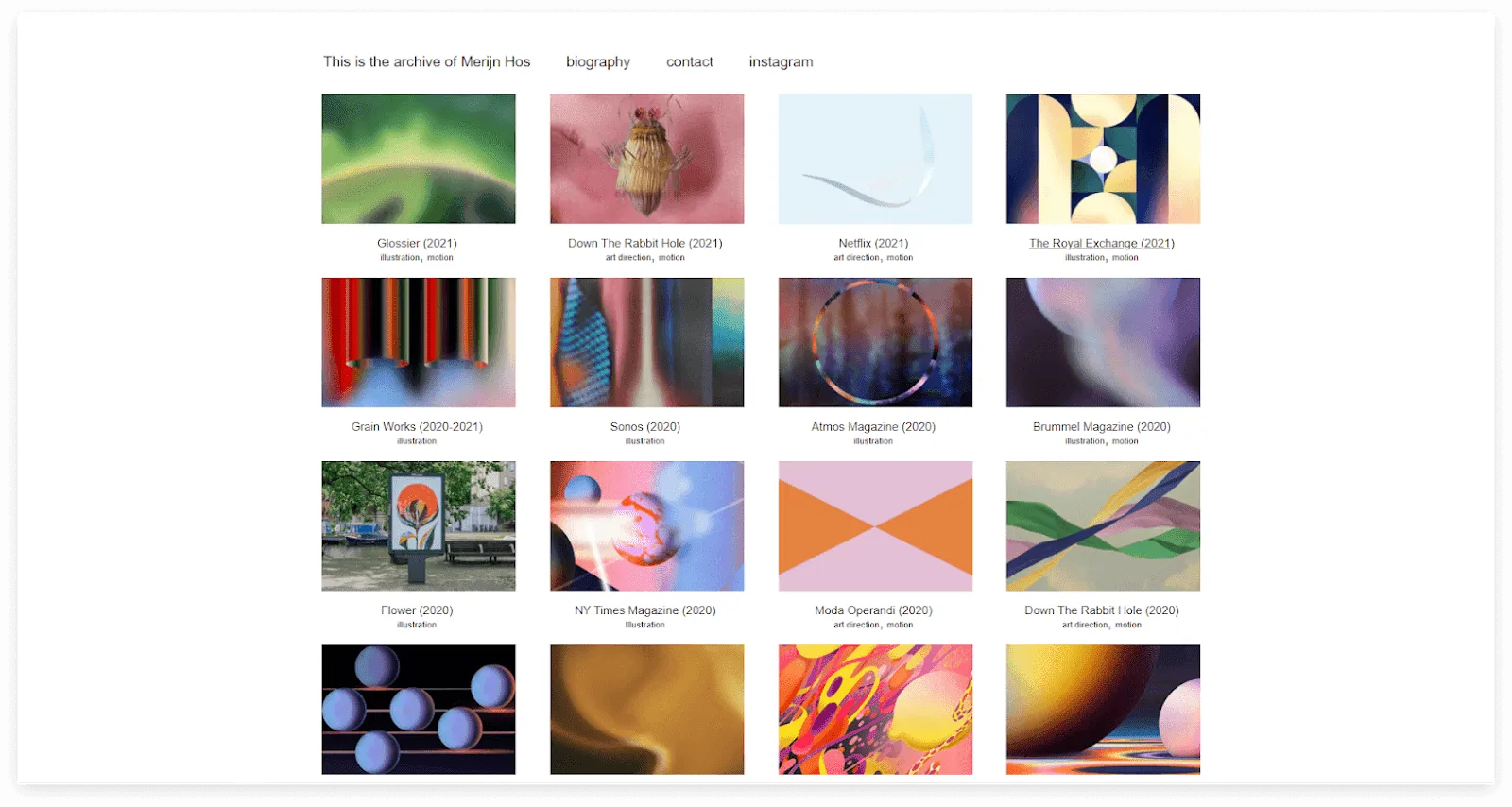
Dutch illustrator Merijn Hos — whose clients include Apple, Google, and Nike — takes a minimalist approach, and it works. It's one of the more conventional layouts on this list, but the vivid, psychedelic thumbnails pop against the plain white gallery, putting all the attention on the art itself.
Steal this: if your work is colorful, keep the site neutral. The portfolio is the frame, not the painting.
Bruno Simon's portfolio might be the most talked-about personal site on the internet: a fully playable 3D world where you drive a little toy truck around to discover his work. It's so beloved that it turned into a career of its own — Simon now teaches the WebGL course Three.js Journey.
Steal this: a signature idea people can describe in one sentence ("the one where you drive a truck") is the most shareable marketing a portfolio can have. If you build a gimmick, commit to it completely.
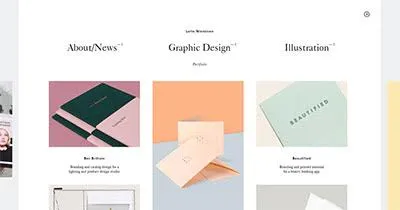
Lotta Nieminen's portfolio is structured yet imaginative. Strong pieces are arranged in a tidy two-column grid, with her illustration work presented in its own gallery. The appeal comes from how straightforward it all is — structure that signals clear thinking.
Steal this: restraint reads as confidence. A simple grid with consistent art direction can outperform a flashy build — especially when the work is strong.
Before you wrap your labor of love into a stylish package, decide what actually goes in. The strongest portfolios on this list all do four things:
So there you have it — the best design portfolios live on the internet right now. Find your own style and let it evolve; don't get hung up on copying any single site above.
New to mentorship? Start with our design mentorship guide.
Book a 1:1 portfolio review on ADPList. Free sessions available.
Get to know the latest UX Designers Must-Have Tools here with mentors, Ann Criqui and Joy Liu!
Ann CriquiWhat changes will a collaboration between generative AI and creative work bring to the playing field? We see what we can expect from GenAI.
 Reena Aggarwal
If you're looking to build a website that grabs attention and leaves a lasting impression, read on. We'll show you how to.
 Burkhard Berger
![The Definitive Guide To A Creative Website Design [2023]](https://adplist-bucket.s3.amazonaws.com/media/blog/the-definitive-guide-to-a-creative-website-design-2023-cover.webp)