NVIDIA product manager interview practice
Senior PM questions on platforms and ecosystems.
Rehearse SDK adoption and GPU roadmap decisions aloud, then use the AI scorecard to review your reasoning.
NVIDIA's own How We Hire page describes three stages: Search & Apply, Let's Meet, and Join the Team. Full-time candidates typically have phone interviews and then virtual or in-person interviews, each usually 30 to 60 minutes, and NVIDIA says candidates complete an onsite, in-person interview before they can be considered for an offer. (NVIDIA How We Hire, checked October 2026.)
NVIDIA says that using unapproved outside tools such as ChatGPT during an interview results in disqualification, so practice your answers without them. It also offers an optional 15-minute Insider Chat during the final interview, which it says doesn't influence hiring decisions. (NVIDIA How We Hire, checked October 2026.)
Practice for a senior product manager interview in the style of NVIDIA should center on platform calls: driving developer adoption of a new SDK, choosing which partners get scarce early support, and re-planning when the hardware a launch depends on slips.
How NVIDIA describes its hiring process
NVIDIA publishes its hiring steps under its own stage names. Each line below restates that page and links back to it.
Search & Apply. You can apply on NVIDIA's website or with a LinkedIn profile. NVIDIA suggests narrowing your applications to “the top three to five roles that best match your interests and experience”, and asking an NVIDIA employee you know to refer you through the internal job board before you apply. (NVIDIA How We Hire, checked October 2026)
Let's Meet. This is where you meet the hiring manager and team “by phone, video, and in person”. Full-time candidates usually start with phone interviews before moving to virtual or in-person ones. (NVIDIA How We Hire, checked October 2026)
Join the Team. Offers come from the recruiter. (NVIDIA How We Hire, checked October 2026)
Worth knowing
- Each interview usually lasts 30 to 60 minutes. (NVIDIA How We Hire, checked October 2026)
- NVIDIA says you “will complete an onsite, in-person interview at our office before you can be considered for an offer”. (NVIDIA How We Hire, checked October 2026)
- Using “unapproved outside tools, such as ChatGPT, during the interview will result in the disqualification of candidacy.” (NVIDIA How We Hire, checked October 2026)
- At the final interview you may be offered an Insider Chat, “an optional 15-minute meeting” that NVIDIA says “doesn't influence hiring decisions”. (NVIDIA How We Hire, checked October 2026)
- If you interview with more than one team, “feedback may be shared across teams”. (NVIDIA How We Hire, checked October 2026)
CUDA adoption, GPU partners and platform decisions
Each prompt puts you in a platform seat, with developers, partners and GPU timing pulling in different directions, in the style of NVIDIA senior PM interviews. CUDA, TensorRT and the other product names are public, used here as scenarios rather than hints about any real roadmap.
Developer platform and adoption
1. A new CUDA library is faster than the old one, but developers have to rewrite parts of their code to use it. How would you drive adoption?
Split developers by switching cost: framework maintainers who can carry thousands of users with one integration, and application teams who will wait. Say which group you court first, and measure adoption by projects running the new library in production, not by downloads.
2. Design the first hour for an ML engineer deploying their first model with NVIDIA inference software such as TensorRT.
Pick a specific person (say, an engineer at a mid-size company with no GPU specialist on staff) and define the moment of success, a first correct inference on their own model. Then walk through what blocks them: install, samples, error messages, docs.
Ecosystem and roadmap tradeoffs
3. Engineering can support only a few partners with early software for a new GPU architecture. How do you choose them?
Treat it as an allocation call with losers. Rank candidates by how much of the wider ecosystem each one unlocks, what you learn from them, and the strategic cost of saying no, then explain how you would tell the partners who did not make the list.
4. Should NVIDIA build its own end-user application on top of its platform, or leave that layer to partners?
Name the tension: partners are also customers, and competing with them can cost platform trust. Give your criteria (is the layer strategic, is the market served today, can a reference app help partners instead) and land on a clear recommendation.
5. The chip your software launch depends on slips by two quarters. What do you do in the first week?
Separate what can ship on current hardware from what truly cannot. Then cover who hears first (internal teams, key partners, developers) and how you protect the trust developers place in published dates.
6. How would you package an enterprise software subscription for customers who already own NVIDIA GPUs?
Start with who pays and why: the IT buyer wants support and stability, while the developer wants the latest features. Choose a value metric you can defend and say what would make a customer feel double-charged. Do not quote NVIDIA's actual prices.
Metrics and technical fluency
7. How would you measure the health of a developer ecosystem around a CUDA library?
Pair leading signals (new projects, time to first success, unanswered forum threads) with lagging ones (projects in production, retention across major versions). Add one guardrail, such as support load per active developer, so growth does not hide pain.
8. Explain to a non-technical executive why inference cost can matter more than training cost once a customer goes to production.
This tests whether you can be useful in a technical room without pretending to be the engineer. Use one concrete example (a model trained once, then run millions of times), keep it to a minute, and say where your knowledge stops.
Leading across the GPU ecosystem
9. A GPU partner wants a launch commitment that the SDK team cannot support. How would you lead that disagreement?
Map the dependency before promising a date. Explain what evidence each team needs, what a limited partner release could teach you, and who owns the decision if the dependency remains unresolved.
10. An inference engineer challenges your enterprise subscription proposal on technical grounds. How do you make the product call?
Ask the engineer to trace the constraint to a customer workload. Separate a technical limit from a packaging choice, then explain the support or stability tradeoff to the IT buyer without pretending to settle the engineering question.
What separates a senior platform answer
Say whose problem comes first. A platform decision rarely helps developers, partners and enterprise buyers equally. Pick the group you are serving in this decision, say why they go first, and acknowledge who waits.
Justify the engineering ask. Spell out what you need engineering to build, roughly how hard it is, and why it beats the other work competing for the same people. A senior answer treats engineering time as the scarcest input in the room.
Plan for the silicon date to move. Software plans here often hang on hardware that is not finished yet. Describe what you would ship, hold or re-sequence if that date slipped, and who would hear about the change before anyone outside the company.
Scope of senior platform product work
A Senior Product Manager at NVIDIA works on the GPUs, CUDA and platform software. Your users are developers who know the system in depth. At this level you are expected to set direction for an area, bring partner teams with you, and be right often enough that people stop asking for the reasoning.
What you'd do
- Prioritise a developer platform against the hardware roadmap it depends on.
- Earn credibility with engineers who understand the system better than you do.
- Set strategy for an area other teams depend on, and win agreement without authority over them.
- Make calls on incomplete information, then show the reasoning rather than the confidence.
- Kill work that is not earning its place, including work you started.
What they look for
- Enough technical depth to be useful in the room, and the sense to know its limit.
- Six or more years in product, including a strategy you set that other teams had to follow.
- A record of decisions under uncertainty, with the ones that went wrong included.
- Fluency across the business: pricing, go-to-market, and the engineering cost of what you are asking for.
- The ability to disagree with an executive and keep the relationship.
This is a practice interview, not a job posting. ADPList is not hiring for this role and is not recruiting on the company's behalf.
Discuss platform work with mentors at NVIDIA
Experienced mentors who work at NVIDIA, described from their own ADPList profiles. Shyamala Prayaga works in product; the others are engineering and design colleagues whose work touches the platform questions above.
Shyamala Prayaga, Senior Software Product Manager at NVIDIA. A conversational AI specialist who has led work across connected home, automotive and wearables, with research in usability, accessibility, speech recognition and multimodal voice interfaces. Her bio says she joined NVIDIA to own the roadmap for voice and chat.
Engineering and UX colleagues at NVIDIA
Rohit Vaswani, Senior Engineering Manager at NVIDIA. Leads teams building a digital human platform (3D and 2D avatars) and agentic AI for industrial, smart city and healthcare uses. Offers help with building new products from scratch, stepping into leadership, and influence and negotiation.
Harri Lin, Senior UX Designer at NVIDIA. Works on tools and platforms for AI and ML problems, and previously designed Unreal Engine 5 at Epic Games.
Jatin Gangani, Deep learning computer architect at NVIDIA. Technical lead for performance work across the hardware and software stack, with expertise in CUDA and deep learning inference for LLMs. Offers resume reviews, problem solving and breaking down long-term projects, which suits rehearsing the inference cost explanation.

Community members
More mentors from Nvidia in the ADPList community. They aren't taking bookings through this page, but you can view their profiles to learn about their work.
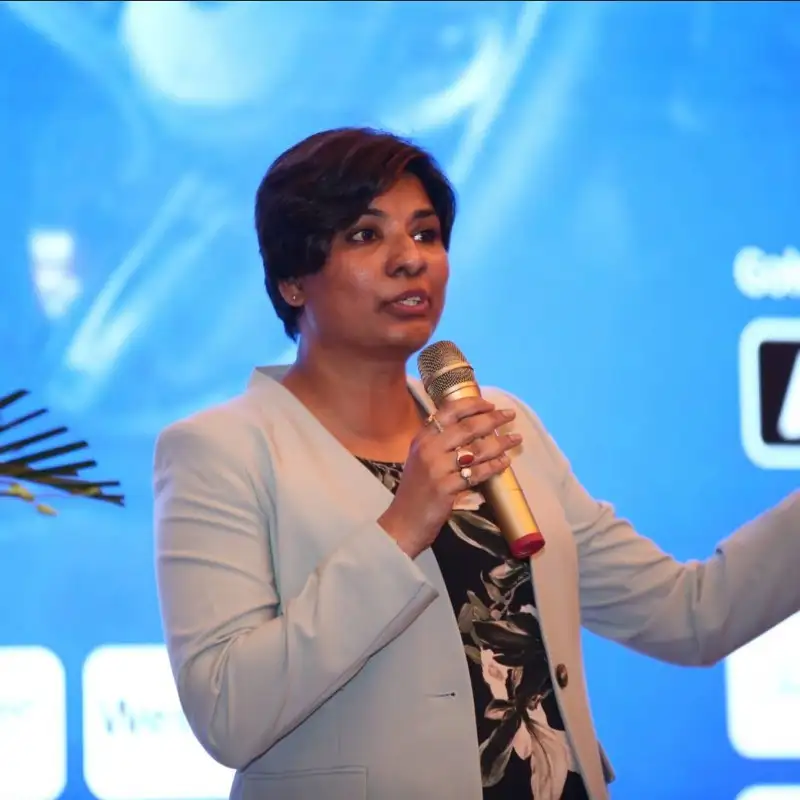 Shyamala PrayagaSenior Software Product Manager at NVIDIA
 Tiffany ChenAI Software Engineer at Nvidia
 Gulroz SinghSr. Semiconductor Safety Architect at NVIDIA
 Harri LinSenior UX Designer at NVIDIA
 manika kapoorSenior Systems Software Engineer at Nvidia
 Aakansha TalatiMLOps Manager at NVIDIA Corporation
 Adarsh MittalSr Hardware Engineer at Nvidia
 Jatin GanganiDeep learning computer architect at NVIDIA
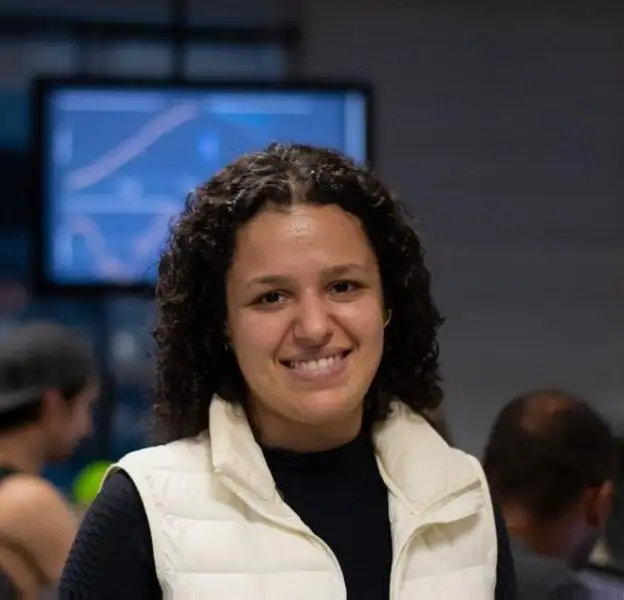 Patrícia PampanelliDeep Learning Solutions Architect at NVIDIA
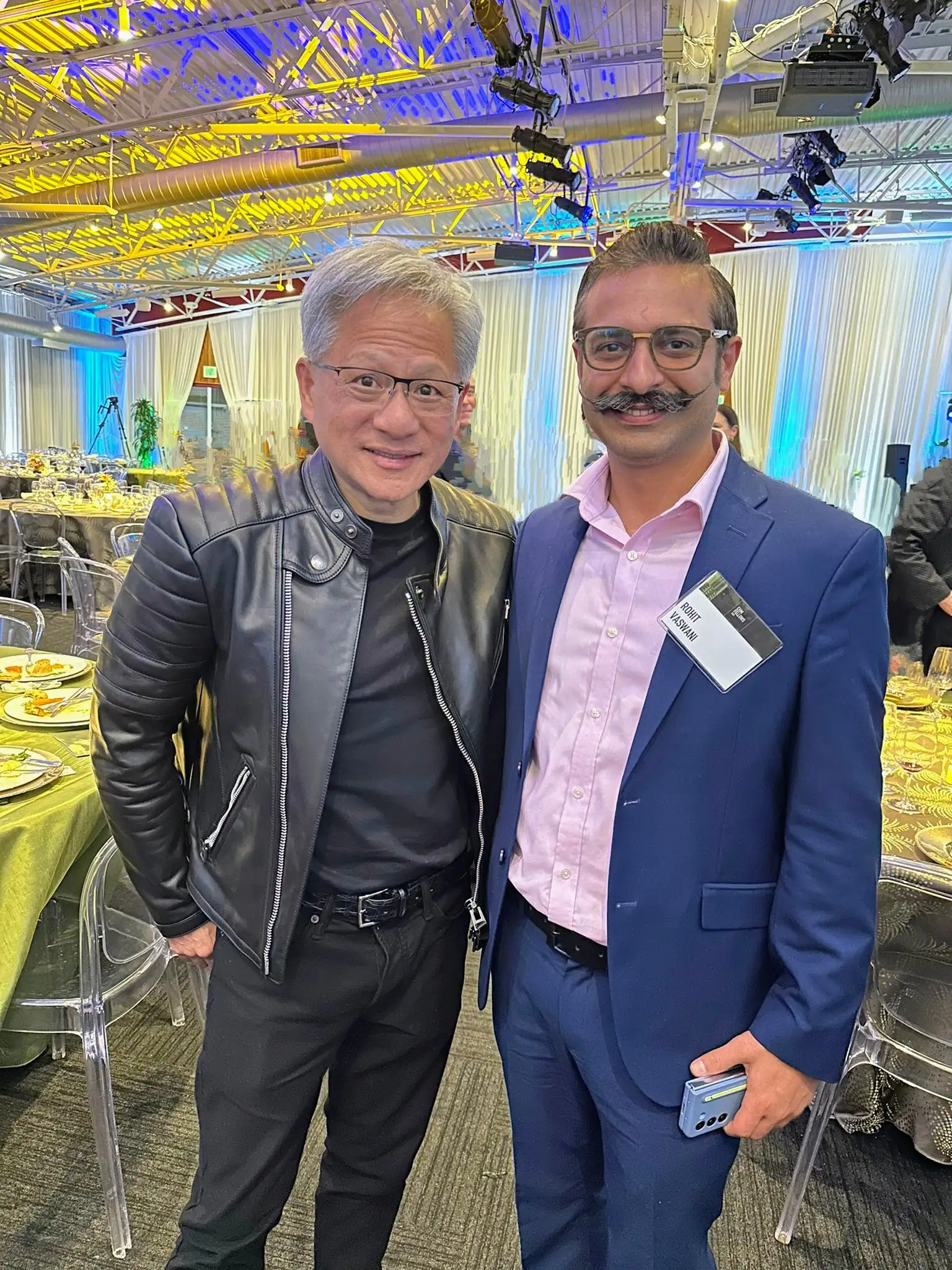 Rohit VaswaniSenior Engineering Manager at NVIDIA
 Savio DmelloManager - Information Technology and Business Applications at Nvidia
NVIDIA hiring guidance and platform preparation
Which stages does NVIDIA list on its How We Hire page?
Candidates move from Search & Apply through Let's Meet to Join the Team, the three stage names NVIDIA uses. A full-time role typically means phone interviews first, with virtual or in-person interviews after that. NVIDIA makes an onsite, in-person interview at its office a condition of offer consideration. (NVIDIA How We Hire, checked October 2026.)
How long is each NVIDIA interview?
NVIDIA says its interviews usually last 30 to 60 minutes each. Your recruiter can tell you what your own schedule looks like. (NVIDIA How We Hire, checked October 2026.)
Does NVIDIA allow outside tools like ChatGPT in its interviews?
Not unapproved ones. Under NVIDIA's rule, a candidate who uses an unapproved outside tool during the interview, ChatGPT being its example, is disqualified. Rehearse with nothing but your own notes. (NVIDIA How We Hire, checked October 2026.)
What is an Insider Chat at NVIDIA?
It is a 15-minute conversation you can choose to have at your final interview. Whether or not you take it, NVIDIA states the chat doesn't influence hiring decisions. (NVIDIA How We Hire, checked October 2026.)
How should I prepare for a senior PM interview in the style of NVIDIA?
Practice out loud with questions about developer adoption, partner tradeoffs and hardware dependencies. In each answer, say which part of the ecosystem you serve first, what you are asking engineering to build, and what you would do if a hardware date moved.
Is this page run by NVIDIA?
NVIDIA neither endorses this practice page nor is affiliated with its creator, ADPList.
Ready when you are
Company-style practice. NVIDIA neither endorses this practice page nor is affiliated with its creator, ADPList.