
Design Ann Criqui
The Must-Have Tools for UX Designers
Get to know the latest UX Designers Must-Have Tools here with mentors, Ann Criqui and Joy Liu!
Ann CriquiThe 15 best portfolio design books in 2026, verified and updated: who each book is for, key takeaways, and top picks for UX, graphic, and product design.

A portfolio book is still one of the fastest ways to level up how you present your work — whether your portfolio lives on the web, in print, or both. We verified every title on this list for 2026: authors, latest editions, and availability. Two books from the original list are no longer in print, so we replaced them with current picks (and say so below).
| Book | Author | Best for |
|---|---|---|
| 1. The Graphic Designer’s Guide to Portfolio Design | Debbie Rose Myers | Design students building a first print + digital portfolio |
| 2. Design: Portfolio | Craig Welsh | Inspiration from ~300 real self-promotion pieces |
| 3. Flaunt | Bryony Gomez-Palacio & Armin Vit | Case-study-driven portfolio strategy |
| 4. Burn Your Portfolio | Michael Janda | The career skills no portfolio can replace |
| 5. Building Design Portfolios | Sara Eisenman | Browsing inventive portfolio formats |
| 6. Creating Your Digital Portfolio | Ian Clazie | Planning the strategy behind an online portfolio |
| 7. Creating a Successful Graphic Design Portfolio | Irina Lee | The most current graphic design portfolio guide |
| 8. How to Create a Portfolio & Get Hired | Fig Taylor | Illustrators and freelancers approaching the market |
| 9. Winning Portfolios for Graphic Designers | Cath Caldwell | Landing your first agency or studio job |
| 10. No Plastic Sleeves | Larry Volk & Danielle Currier | A complete branded portfolio package |
| 11. Solving Product Design Exercises | Artiom Dashinsky | UX/product designers prepping interviews and case studies |
| 12. Stand Out | Denise Anderson | Personal brand + portfolio + job search, in that order |
| 13. Constructing the Persuasive Portfolio | Margaret Fletcher | Architecture and spatial design portfolios |
| 14. Breaking In | Amina Horozić | Industrial and physical product designers |
| 15. The Type Project Book | Nigel French & Hugh D’Andrade | Filling portfolio gaps with typography projects |
Before you buy anything: hiring managers spend minutes, not hours, on a portfolio. If you want to know exactly what they scan for, read what a hiring manager looks for in a design portfolio alongside any of these books.
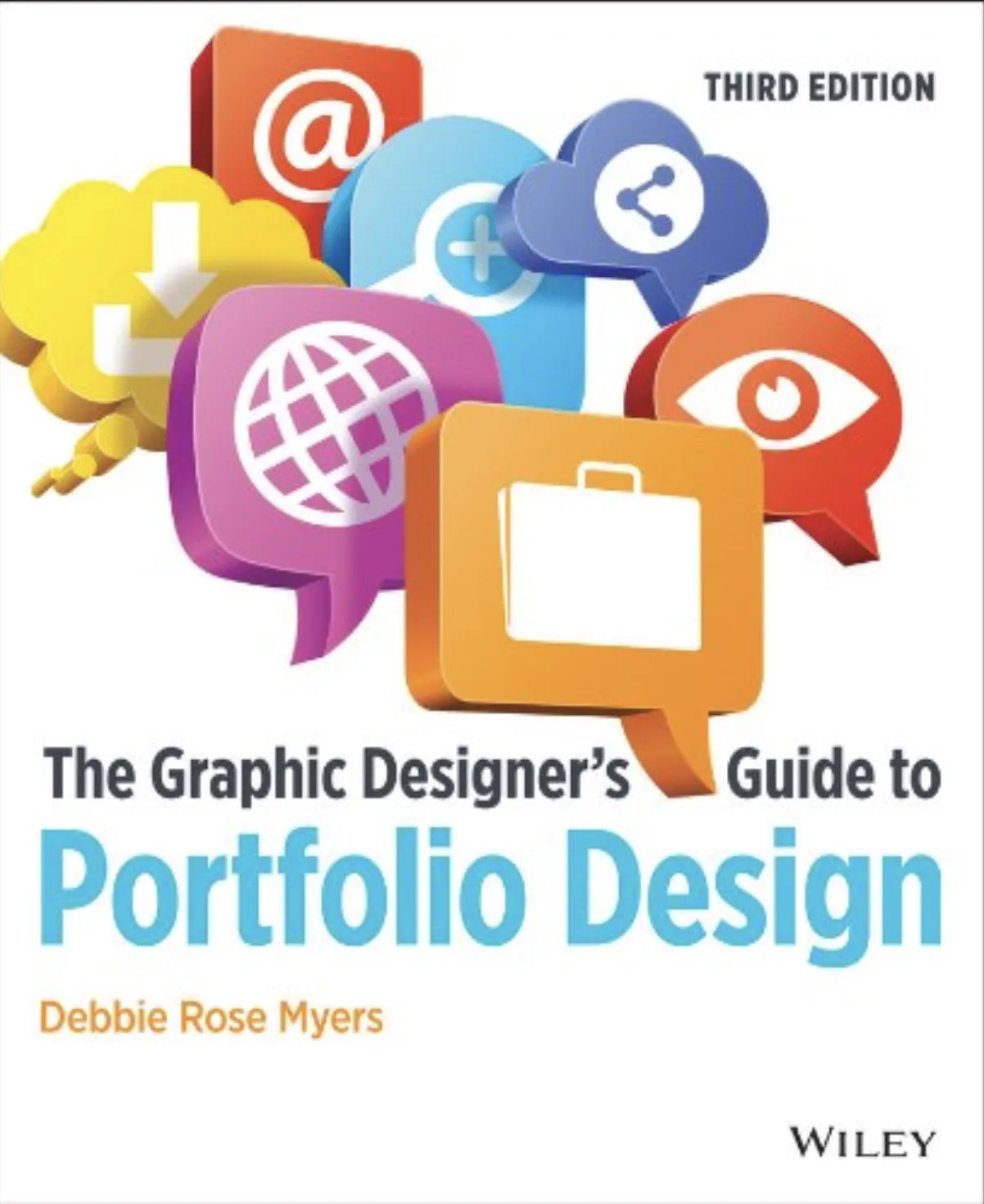
Who it’s for: Design students and new grads making the jump from classroom projects to a job-winning portfolio. Now in its third edition from Wiley.
Key takeaway: Your portfolio is one piece of a larger self-promotion package. Myers walks through tailoring it to your specialization, building a brand identity, and a career-development checklist that covers interviews and follow-up — not just the book itself.
Review on Amazon by Sam:
“Smart, practical advice for designers who want to maximize their impact in the job market. Graphic Design has become a very competitive field so it is essential that you market your talents wisely. While the book is geared to the graphics design professional, the solid advice on marketing applies to anyone in the visual arts field. Recommended.”
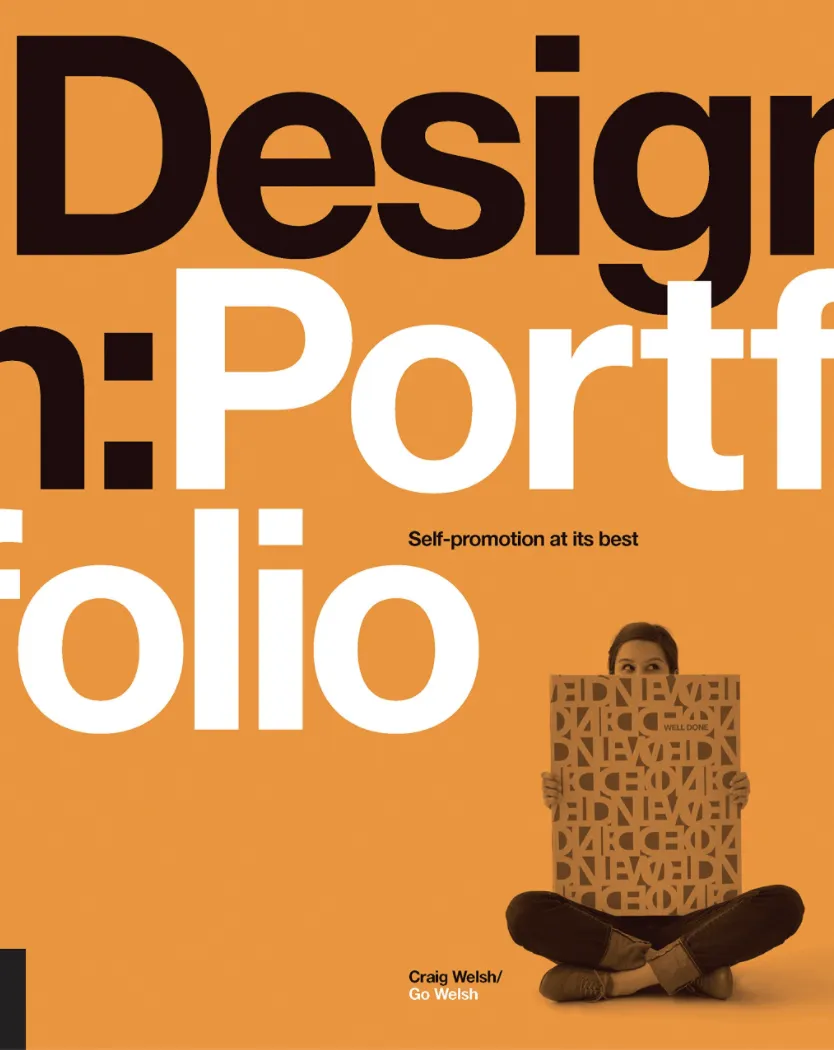
Who it’s for: Designers who learn by looking. Curated by Craig Welsh of studio Go Welsh and published by Rockport, it collects roughly 300 standout self-promotion and portfolio pieces from designers like Yurko Gutsulyak, Lorenzo Petrantoni, and Alex Trochut.
Key takeaway: The best way to raise your own bar is sustained exposure to exceptional work — the mini-workshops dissect why each featured piece succeeds.
Review on Amazon by James Thomas:
“Anyone serious about design should have this book in their collection. Awesome work by gifted designers. The best way to become a stronger designer is to be immersed in the work of strong designers, and this book delivers.”
Honest update: the self-published That Portfolio Book, which held this spot in the original list, is no longer available — its website is offline. We replaced it with a verified pick that covers the same ground.
Who it’s for: Designers who want portfolio strategy from working critics. Written by the duo behind UnderConsideration (and the Brand New blog), the second edition of Flaunt packs 41 portfolio case studies, 18 self-promo examples, and 25 interviews with professionals. The print run has sold out, but the publisher sells the full PDF directly.
Key takeaway: A portfolio is an argument, not an archive — every project you include should support the story of who hires you next, and the case studies show how real designers made those cuts.
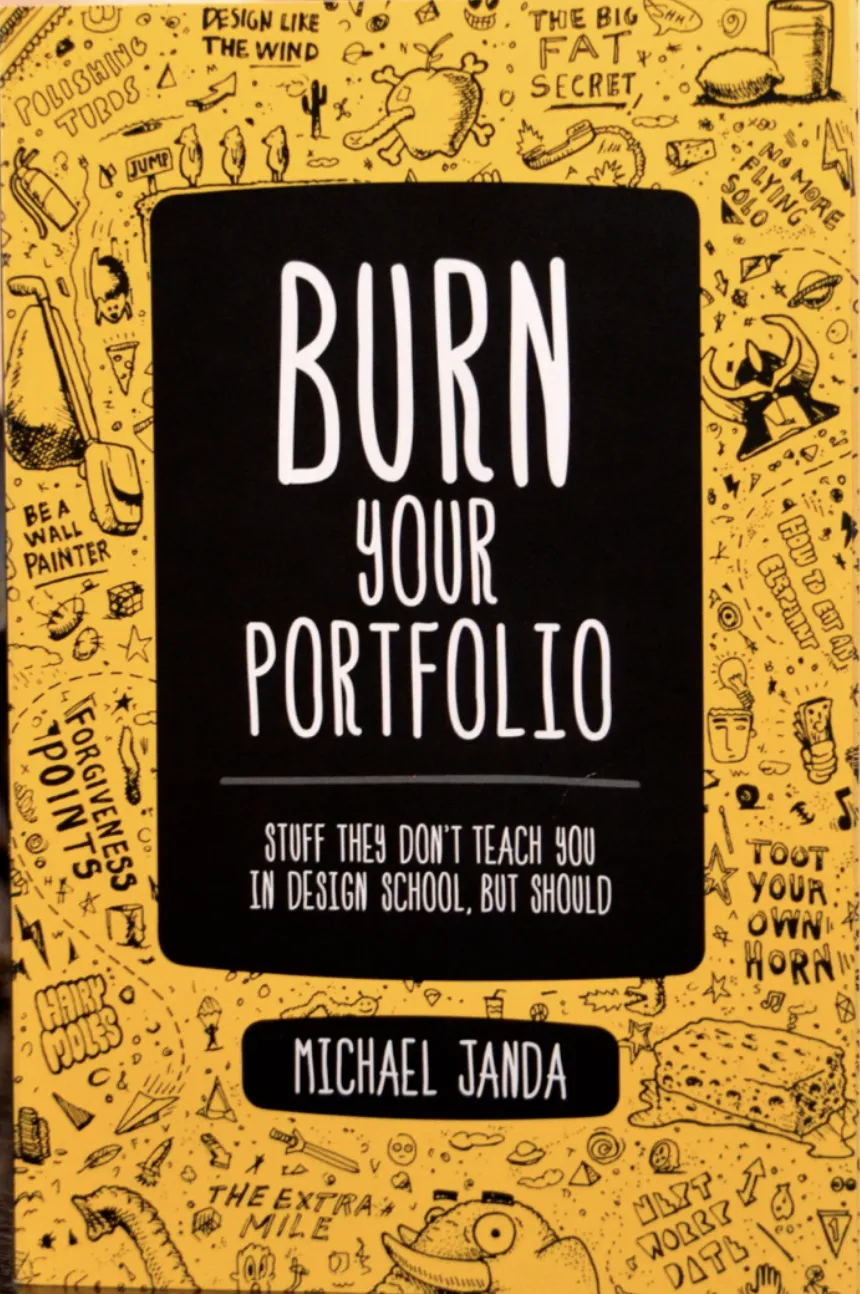
Who it’s for: Anyone who thinks great work alone gets you hired. Janda’s 400-page book (New Riders) covers the stuff design school skips: teamwork, client management, bidding, and the unwritten rules of the business.
Key takeaway: Soft skills compound harder than pixels. Chapters like “Never Give Your Client Homework” and “It Is Never Too Late for a Better Idea” are as useful at year ten as at year one.
Review on Barnes & Noble by Marc Siry:
“Do you want to supercharge your design career? Drop that Wacom pen and immediately pick up Burn Your Portfolio, and read it cover to cover. Michael Janda clearly outlines practical, actionable advice that will make your design business better, your clients happier, and your teams more productive. Even if you’re a freelancer just striking out on your own—no, especially if you are—the insights, truisms, and humor in this book will prove to be valuable tools in your design arsenal.”
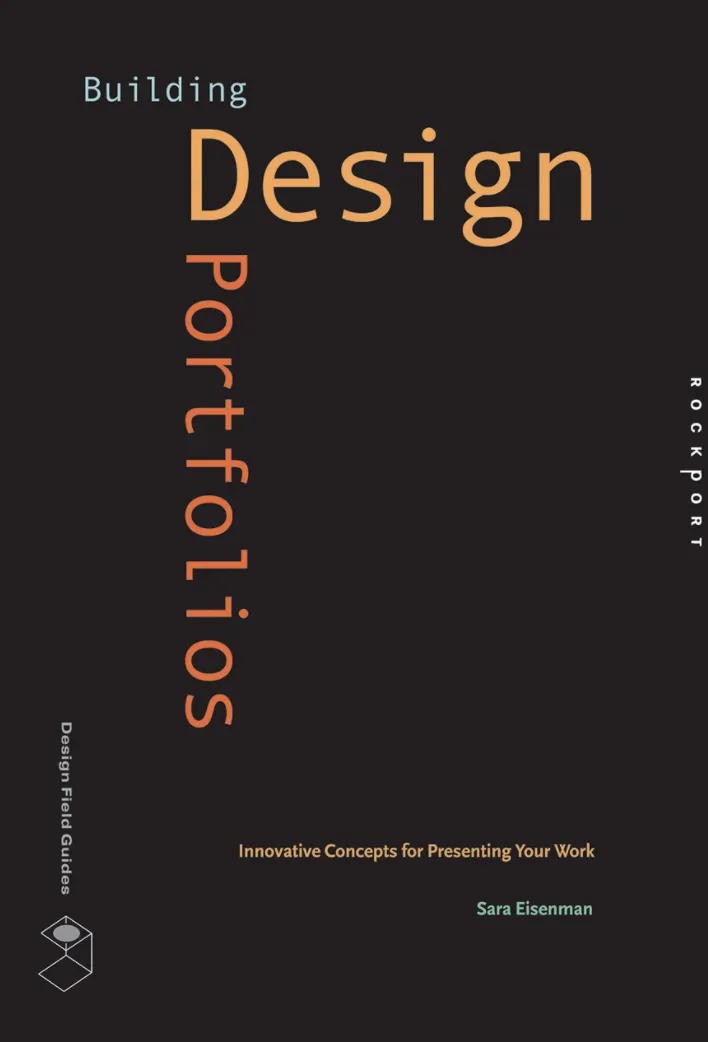
Who it’s for: Designers hunting for presentation formats beyond the default grid. Part of Rockport’s Design Field Guide series, it moves from the components of a great portfolio into a large gallery of real examples. It’s out of print, but used copies are easy to find.
Key takeaway: Format is a design decision too — the gallery shows how physical and digital portfolio choices themselves signal craft.
Review on Amazon by Jehan Sandra Salem Bidondo:
“I started reading it and I can say it keeps a fast pace and covers very well the details that might make the difference for your portfolio. I’m very concerned with building my portfolio and I think it already made me feel confident on having the right information to get the job done in the most accurate way.”
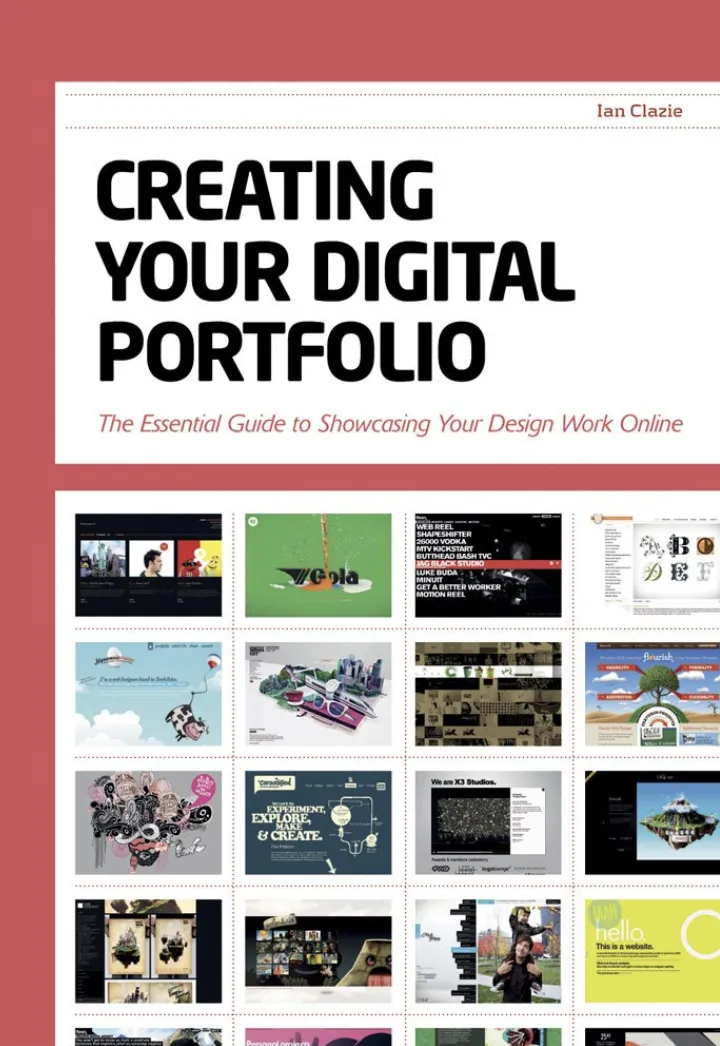
Who it’s for: Designers thinking through the strategy of an online portfolio — objectives, audience, and communication — before touching a site builder. Fair warning: it was published in 2010 and is out of print, so treat the technical chapters as history and read it secondhand for the planning framework.
Key takeaway: Decide what you want your portfolio to communicate before you decide what it looks like. That advice hasn’t aged a day.
Review on Amazon by T. Johnson:
“This book is full of inspiration and so many great resources. It goes step by step to lead you to create a portfolio that potential clients or employers will respect. The process is full of planning and if you are a graphic designer you will enjoy the process.”
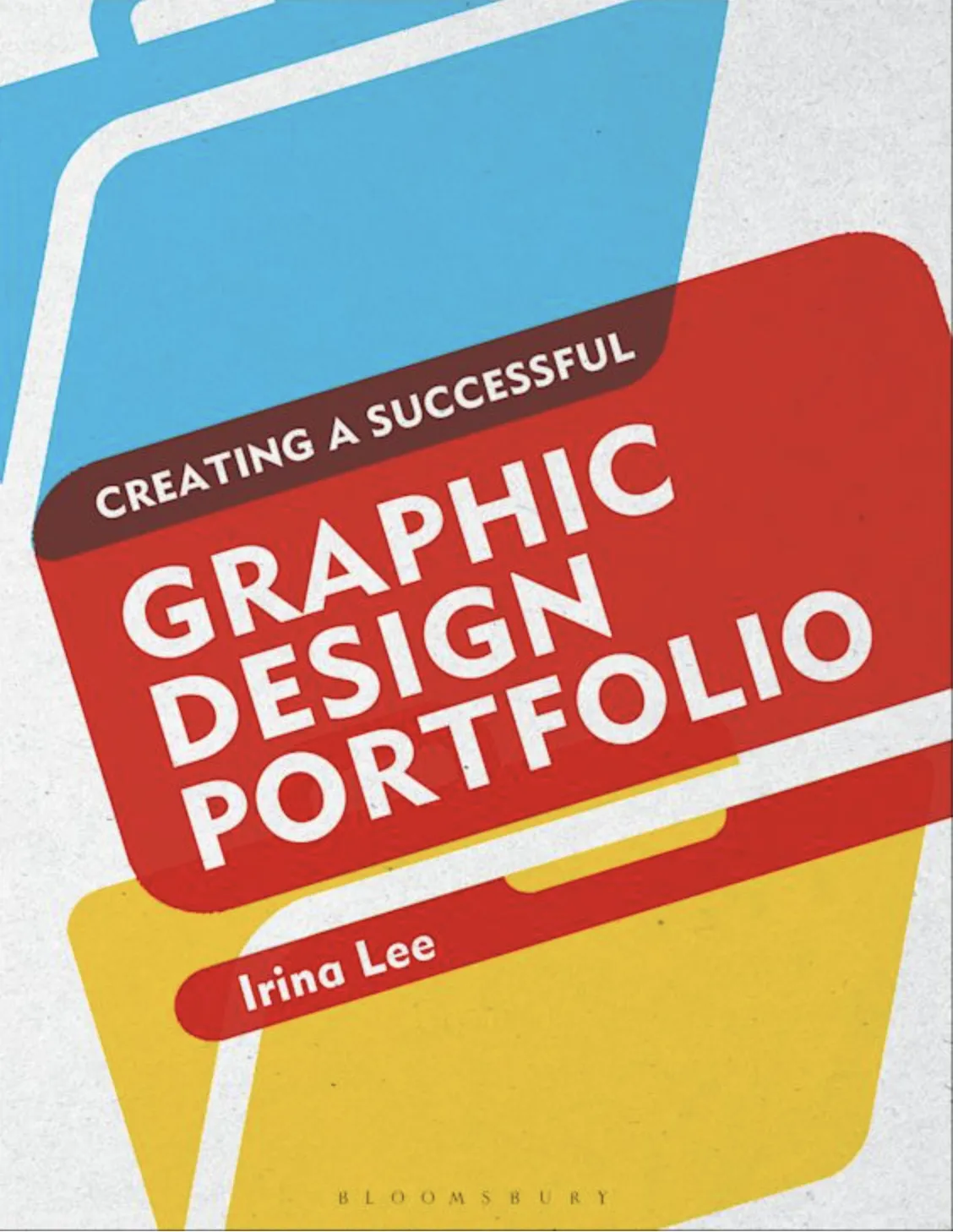
Who it’s for: Graphic designers who want the most current dedicated guide on this list. Published by Bloomsbury in 2021, it covers photographing your work, layout and typography bootcamps, and a “portfolio clinic” of good and bad examples with commentary from working designers.
Key takeaway: Your career path shapes your portfolio — the book maps how a traditional agency, digital agency, consultancy, in-house team, or startup each reads your work differently.
Review on Bloomsbury by Janet Fairbairn:
“This compelling collection of essays on what comes after one graduates with a degree in graphic design is told through numerous testimonials from recent graphic design graduates and professional designers. It offers numerous suggestions (helpful tips) on choosing a career path within a design, applying for a job, how to present a great portfolio, getting hired among others. An excellent book for any current graphic design student.”
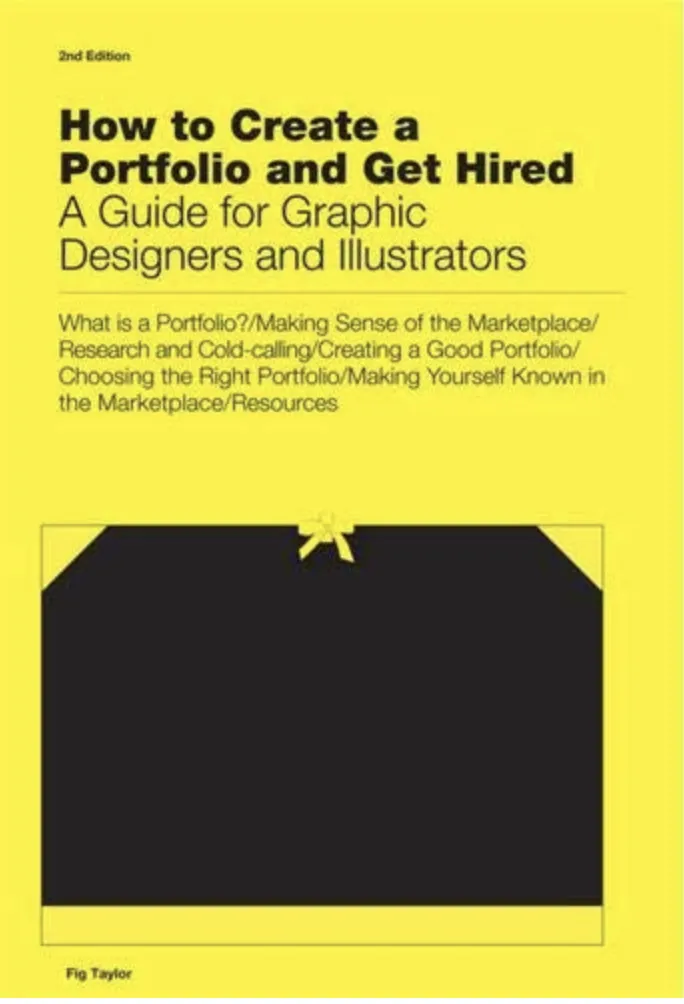
Who it’s for: Illustrators and graphic designers — especially freelancers — who need to understand the marketplace, not just the layout. Taylor is the Association of Illustrators’ portfolio consultant; the second edition (Laurence King) covers research, cold-calling, and presenting your portfolio digitally.
Key takeaway: Who you show your portfolio to matters as much as what’s in it — the book maps the commissioning process across publishing, advertising, and design.
Review on Amazon by Janet CharliV:
“Chapters are well organized, the writing style is incredibly detailed but a nice comfortable read; no going back a few sentences because you have no idea what you just read moments! Images are a good size and of lovely quality. The print quality of the inside pages is beautiful.”
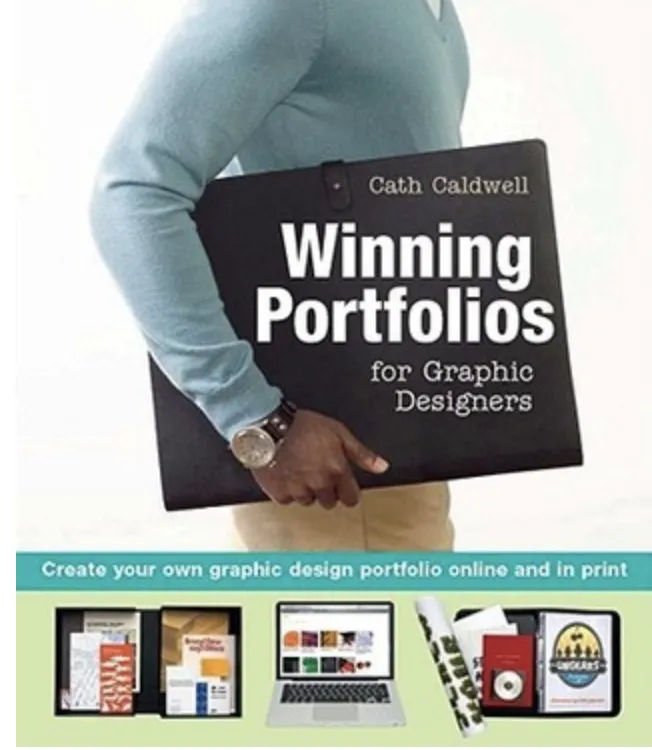
Who it’s for: Beginners chasing their first job at a design agency or studio. Caldwell teaches graphic design at Central Saint Martins, and it shows: hundreds of annotated examples, do’s-and-don’ts lists, and captions explaining the thinking behind each design element.
Key takeaway: Every element of a portfolio — size, material, sequencing, even attachments — is a chance to demonstrate judgment.
Review on Goodreads by Daryl Mitz:
“I love how it covers a lot such as the size, material/medium, content and other attachments of an aesthetically pleasing and functional portfolio. This really helped me a lot with mine :)”
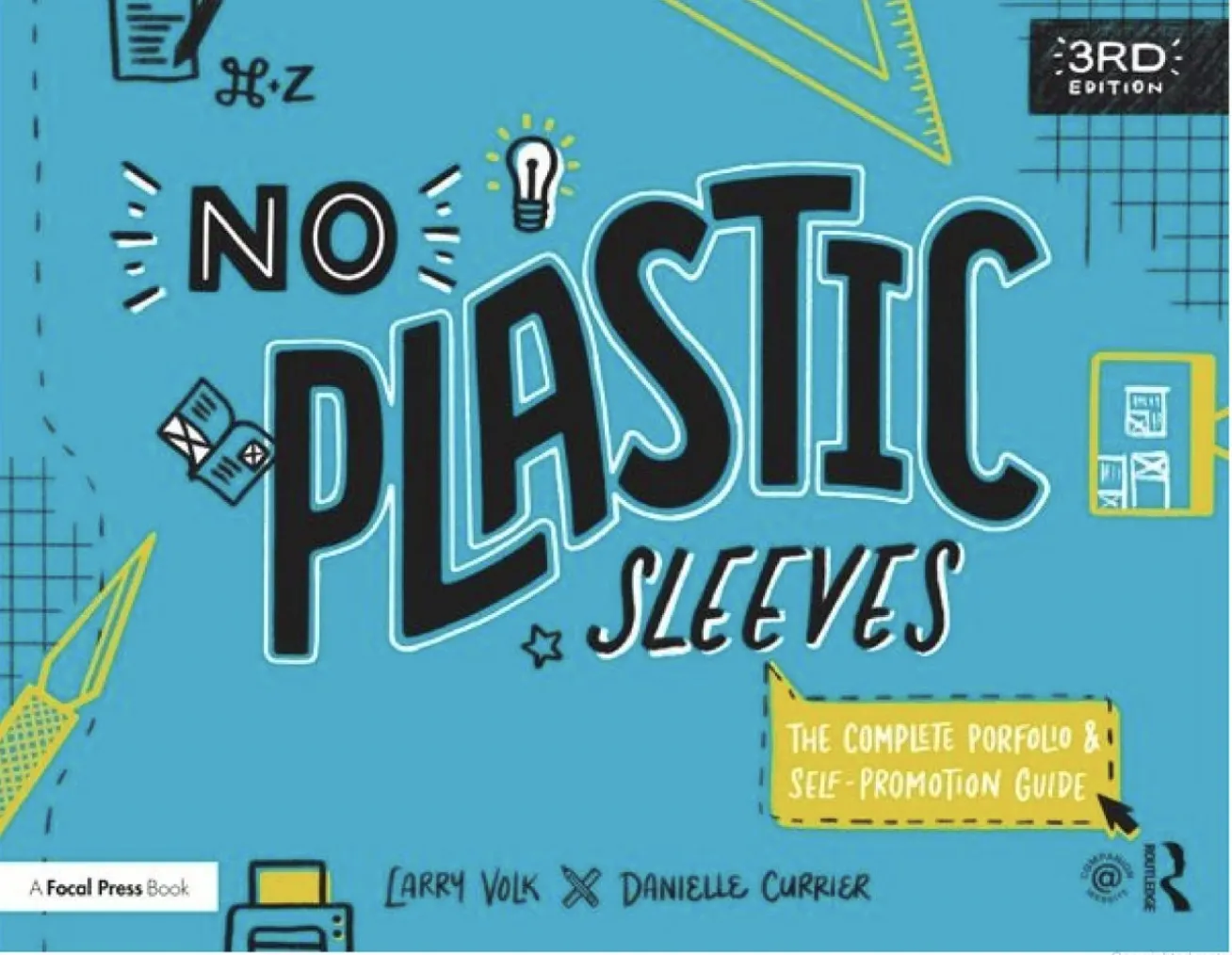
Who it’s for: Photographers and designers building a complete, branded portfolio package. The third edition (Routledge, 2020) expanded its coverage of social media, online promotion, and personal branding.
Key takeaway: Treat yourself as the brand: the book’s step-by-step process runs from editing your work and designing a cover to your website, social presence, and self-promotion materials as one coherent system.
Review on Amazon by M.V.W:
“Excellent resource. Has very detailed and practical suggestions on how to prepare the best design portfolios. Includes physical suggestions as well as information on editing and ordering images/projects.”
Honest update: Ian Fenn’s Designing a UX Portfolio (O’Reilly), listed here originally, has been unavailable for years — we already flagged it as out of stock in 2022 and it never came back. This is our verified replacement for UX and product designers.
Who it’s for: UX and product designers preparing for interviews — and anyone short on strong portfolio pieces. Dashinsky’s book gives you a 7-step framework for design exercises, 30+ practice prompts modeled on real hiring challenges, and interviews with design leaders.
Key takeaway: Whiteboard-style exercises double as portfolio material: solving realistic product problems on your own schedule is the fastest way to generate case studies that show how you think. Pair it with our 20 tips to create a successful UX portfolio.
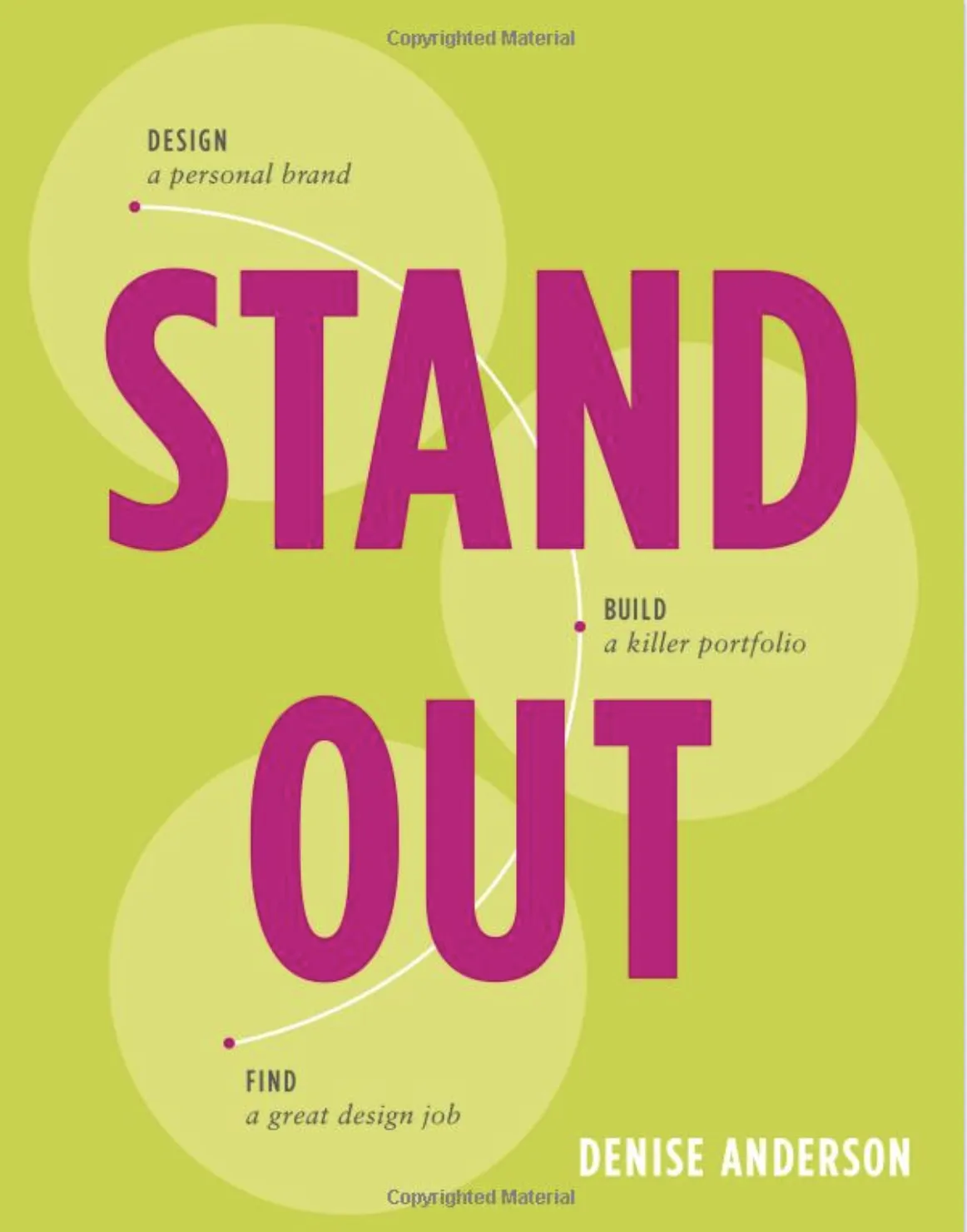
Who it’s for: Designers who want one book to take them from personal brand to portfolio to offer letter. Anderson’s full-color action plan (New Riders) covers portfolio strategy, production, presentation — and, notably, choosing a mentor and advisory board.
Key takeaway: Don’t do it alone. Anderson dedicates a whole section to building an advisory board — exactly the kind of feedback loop you can start today with a free session with a product design mentor on ADPList.
Review on Amazon by Robin Landa:
“Anderson’s guide to building your portfolio and developing your personal brand is outstanding. You will find practical information about how to build a portfolio that best represents your thinking, personal point of view, and design essence. This book is a comprehensive guide written in a very friendly voice as if Anderson were your personal portfolio trainer.”
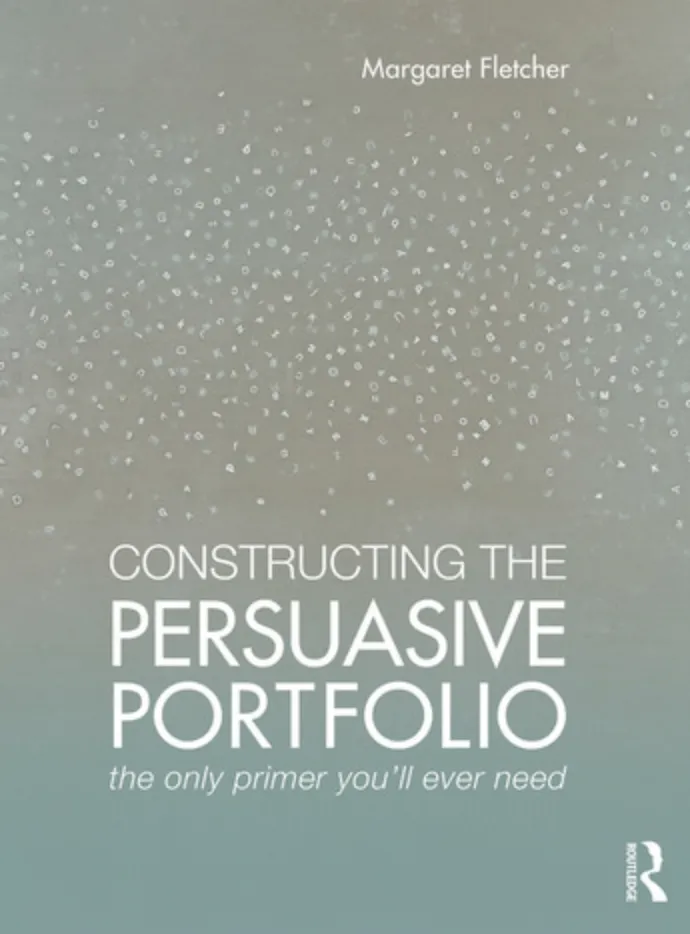
Who it’s for: Architecture and spatial design students and professionals. Fletcher’s primer (Routledge) includes 400 portfolio examples from 55 designers and 48 concrete “design actions,” from graphic layout to choosing print vs. digital formats.
Key takeaway: Persuasion is a system: identify your reader, catalog your work, then structure the whole portfolio around the argument you want them to walk away with.
Review on Routledge.com by Nigel Smith:
“Margaret Fletcher’s Constructing the Persuasive Portfolio is a truly impressive and comprehensive guide and checklist. This book takes you through the full process of creating portfolios – from the early planning, strategies, initiation, and concept development to content, design, and production. The fulsome detail and demonstrable examples make this an indispensable tool.”
Who it’s for: Industrial and physical product designers. Compiled by designer Amina Horozić, it gathers portfolio advice straight from 100+ designers and creative directors at the studios you actually want to work for.
Key takeaway: Skip the guesswork — learn what reviewers look for from the reviewers themselves, and avoid the traps most portfolios fall into.
Review on Amazon by Alex:
“The interviews from design greats like Gadi Amit and Chris Bangle have so many tidbits for product designers and design admirers to use as they build their portfolio and career. Each interview is worth taking in and considering rather than rushing through each one. Breaking In is the perfect book to have by your desk to peek into when a moment of inspiration is needed. This much access to the thoughts of so many world-class designers is incredible.”
Who it’s for: Designers whose portfolio needs more work in it. French and D’Andrade (New Riders, 2020) walk through real typographic projects — posters, book design, infographics, even business cards — from start to finish.
Key takeaway: You don’t need client work to fill a portfolio gap; a well-executed self-initiated type project demonstrates the same craft.
Review on Amazon by Bart Noir:
“At any level, this is a fine guide to the aesthetics and technical aspects of quality design work mixing text and graphics. The authors draw from their own extensive portfolios as well as classic examples of radical broadsides, album art, and advertising to illustrate what goes into making an effective visual statement.”
Books teach principles; a second pair of eyes catches what you can’t. If you’re in UX research, start with our guide to creating a good UX research portfolio.
Want a 1:1 portfolio review or more book recommendations? Book a session with a mentor on ADPList, where portfolio reviews are one of the most-booked topics and free sessions are available. And when weighing mentorship options more broadly, our comparison of the best mentorship platforms covers what each one is best for.
Pick your 3-5 strongest projects and write each one as a case study: the problem, your role, your process, and the outcome. Tailor the selection to the job you want next, not everything you have ever made.
Then get feedback before you apply — a free portfolio review with a product design mentor on ADPList is the fastest way to find weak spots.
A UX portfolio should include 3-5 case studies that show your thinking: the problem, research and process artifacts (wireframes, flows, iterations), your specific role, and measurable outcomes. Add a short about page and make the site itself easy to scan — reviewers spend minutes per portfolio.
For a deeper checklist, see ADPList's 20 tips to create a successful UX portfolio.
For graphic designers, the most current pick is Creating a Successful Graphic Design Portfolio by Irina Lee (Bloomsbury, 2021). For a complete branded package, read No Plastic Sleeves by Larry Volk and Danielle Currier (3rd edition, Routledge). For UX and product designers, Solving Product Design Exercises by Artiom Dashinsky helps you generate portfolio-ready case studies, and Burn Your Portfolio by Michael Janda covers the career skills that get the work seen.
Three to five strong projects beat ten mediocre ones. Hiring managers skim, so lead with your best, most relevant work and cut anything you would not want to defend in an interview. Depth of thinking per project matters more than volume.
Yes — the durable skills they teach are curation, storytelling, and presenting work persuasively, and those transfer directly to a website, PDF, or case-study deck. Skip the chapters on specific tools or hosting (anything written before ~2015 will be dated there) and focus on the strategy and critique sections.
Free sessions available with verified mentors on ADPList.
Get to know the latest UX Designers Must-Have Tools here with mentors, Ann Criqui and Joy Liu!
Ann CriquiWhat changes will a collaboration between generative AI and creative work bring to the playing field? We see what we can expect from GenAI.
 Reena Aggarwal
If you're looking to build a website that grabs attention and leaves a lasting impression, read on. We'll show you how to.
 Burkhard Berger
![The Definitive Guide To A Creative Website Design [2023]](https://adplist-bucket.s3.amazonaws.com/media/blog/the-definitive-guide-to-a-creative-website-design-2023-cover.webp)